
May 15, 2026
Volume 02 - Issue 02
In the Spotlight
Welcome back to She Rules Projects! In this issue we turn our spotlight to shine on Nicole Banks. Nicole’s journey into project management was a quest to find fulfilling leadership in the corporate world after retiring from the United States military. A key theme in Nicole’s advice is having faith in your ability to learn. You’ll be surprised by what you can accomplish if you believe in this.
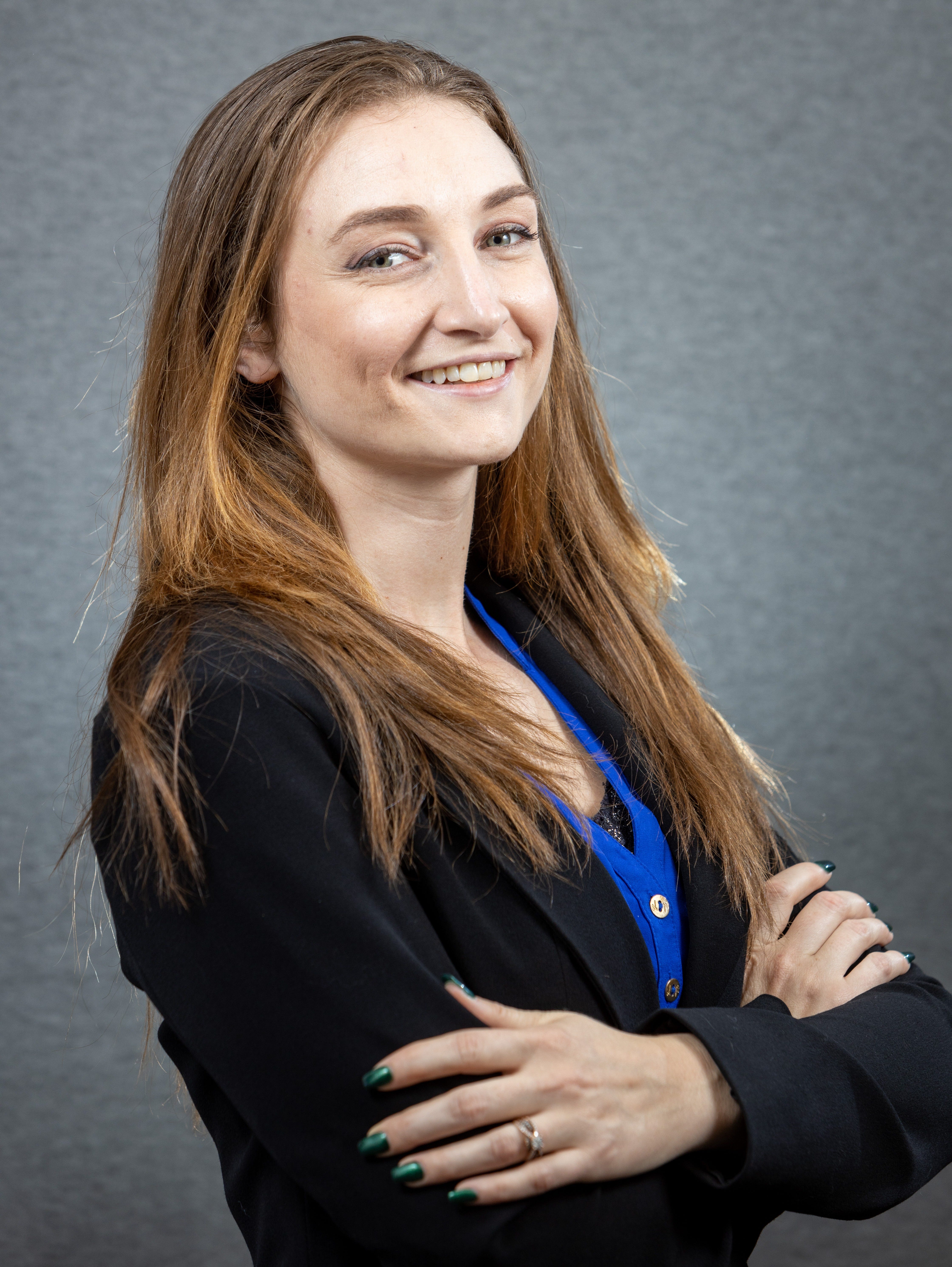
What first drew you to project management after your career in the military?
As I realized I wanted to be a corporate leader becoming a project manager seemed like the most efficient way to learn what was most important to executives, how each department functionally operated, and quickly gain a network across numerous departments.
As you shifted from a career in the military to a career in project management what skills did you find were transferrable?
Two skills that have consistently shaped my leadership style are attention to detail and resilience. I naturally look for patterns—across workflows, behaviors, and systems—to understand what may be creating friction for teams or leaders. By collaborating with stakeholders to refine processes and align on a shared operating rhythm, I’m often able to help remove roadblocks and improve execution.
Resilience is just as critical. Leadership and program management often involve delivering difficult updates or receiving tough feedback. I’ve learned to view those moments as opportunities to grow, strengthen the team, and continue moving forward with greater clarity and perspective.
What did you find most challenging in transitioning from leading in the military to leading projects?
Serving in the military taught me to lead with clarity and decisiveness. In environments where lives are on the line, communication must be direct and immediate—there’s little room for hesitation.
When I transitioned into civilian leadership, I realized that effective leadership in this environment requires a different balance: patience, empathy, and space for dialogue. Recognizing and adjusting that instinctively direct style was one of the most challenging—and ultimately most valuable—growth experiences in my career. It helped me become a more self-aware and adaptable leader who can lead effectively across very different environments.
What’s a key lesson you learned during a turning point or setback in your career so far?
One of the most humbling turning points in my career was being laid off after 12 years with the same company. It felt like the ground shifted overnight—especially as my family was preparing to welcome our first child after years of hoping. In that moment, I had two choices: stay discouraged or move forward with intention. I chose persistence. I leaned on my network, sought guidance from a career transition coach, and reminded myself that setbacks often carry hidden opportunities. The role I ultimately accepted came with a lower title and pay, but it aligned deeply with my values and allowed me to grow in new ways. A mentor once told me a now reinforced a lesson I carry forward today: “…career paths are rarely linear, and what appears to be a step back can often be a step toward stronger leadership and greater perspective.” This lesson continues to shape how I approach both leadership and life.
What inspires you to highlight veterans, and especially women veterans, in project management or other careers?
What inspires me to highlight veterans—especially women veterans—in careers like project management is the transition many of us face when leaving the military. Service members develop strong leadership, problem-solving, and operational skills, but often struggle to translate that experience into language that resonates with civilian employers. Without guidance, many highly capable veterans can feel overlooked or accept roles below their qualifications.
For women veterans, the transition can be even more complex. The decisiveness and direct leadership style developed in the military is sometimes interpreted harshly in civilian environments. By mentoring and advocating for veterans, particularly women, we can help bridge that gap, build confidence, and ensure their leadership and technical skills are recognized and valued.
Do you have any advice on how to find mentorship for women seeking it?
Mentorship is most impactful when values and leadership philosophies align. Throughout my career, I’ve met many generous leaders willing to help, but I learned that not every mentor relationship is the right fit. When perspectives on leadership or priorities differ, it can create misalignment in guidance, advocacy, and long-term goals. Through this process I learned that strong mentorship develops over time through trust and shared perspective—it isn’t something that happens instantly. I also learned it’s perfectly appropriate to respectfully step back when the fit isn’t right while still maintaining professional relationships. It took me several years to find mentors whose values and leadership style truly align with mine, and that journey has been invaluable.
What advice would you give to women who use project management skills but don’t yet see themselves as “project managers”?
Recognize that project management is often something people are already doing before they realize it. If you’re organizing work, coordinating teams, managing timelines, solving problems, and helping drive outcomes, you’re already using core project management skills.
Many women don’t immediately label themselves as project managers because their title doesn’t say it, but the impact of the work often reflects those capabilities. I encourage women to take ownership of those experiences, articulate them confidently, and recognize that leadership in projects often starts long before the title does.
What skills or qualities do you believe are essential for success in project management, especially for women looking to advance their careers?
Several skills are essential for success in project management, including strong organization, time management, and the ability to communicate effectively with a wide range of stakeholders. Just as important is the ability to simplify complexity—identifying ways to streamline workflows, consolidate updates, and make it easier for teams to stay engaged and aligned. When processes are clear and efficient, teams can focus more on execution rather than coordination.
Another critical habit is documentation. Maintaining clear records of decisions, updates, and processes ensures transparency and accountability throughout the project. It also makes transitions smoother when projects are handed off—whether due to promotions, team changes, or shifting priorities—which is an inevitable part of any project lifecycle.
My advice to young professionals is to stay curious about new technologies, invest in leadership development, and build strong mentorship networks. Those who combine technical awareness with strong human leadership will be incredibly well positioned for the future.
If you were granted one wish, what is one thing you would change for women in project management?
My wish would be for more women to confidently recognize and claim the leadership they are already demonstrating. Many women are already coordinating teams, solving complex problems, and driving outcomes, but they don’t always see those contributions as project leadership because their title may not reflect it.
Creating environments where women feel empowered to own their expertise, pursue leadership opportunities, and receive mentorship and sponsorship would significantly accelerate progress for women in project management and other careers.
Loved Nicole’s story and interested in how you can help veterans returning to the civilian workforce? Consider supporting one of the organizations below.
Hire Heroes USA: a program for veterans who have been in the civilian workforce and embracing a career change, navigating rehire, or just needing to understand their options and leverage their skills in a new way. They offer career and transition coaching, resume support, job search opportunities, professional education prep, seminars to peak interest across a variety of industries, and so much more! Being a part of that program helped Nicole land the job she has today after being laid off.
Hire Our Heroes: is a partner program that focuses on mainly transitioning service members from active duty into civilian workforce careers, and often leadership opportunities. They have some seminars, job fairs, and career support services for veterans but their main focus is for active duty soldiers transitioning.
Know someone who identifies as female and is doing great work enabled by project management skills? Nominate them to be featured in the Spotlight in an upcoming issue!
Skill Building
Exclusive for paid subscribers and 12 Million Women community members, in each newsletter issue, this section will feature women-focused advice, learning, skill building, or thought leadership designed to elevate your project management practice. This week’s section is written by 12 Million Women founder Megan Johnston.
